
It can be frustrating to spend years building a career, finally decide you want to make a change, and then have recruiters start reaching out with opportunities that are almost exactly what you’re trying to leave behind.
Maybe you’ve spent ten years doing the same type of work and have decided you want something different. You update your LinkedIn profile, perhaps mark yourself as open to work, and suddenly the messages start coming in. The problem is that the opportunities seem completely disconnected from where you want your career to go.
I understand this from both sides. I spend a lot of time coaching engineers and technical professionals who are looking for new career opportunities, and I also work as an executive recruiter in partnership with companies to find amazing new employees. As a recruiter, I’ve absolutely reached out to the wrong people before. Sometimes it can be comical when you realize you’ve just reached out to someone about the exact job they’re trying to stop doing.
But there’s usually a reason it happens.
Recruiters Only See the Signals You Give Them
Recruiters rely heavily on information from LinkedIn and other professional data. When we search for candidates, we’re looking at signals such as job titles, keywords, skills, companies you’ve worked for, and the overall story those pieces of information tell.
The challenge is that LinkedIn often knows a lot more about your professional past than it knows about your future.
You may have changed significantly over the last year, two years, or five years. You may have developed new interests, discovered different strengths, or realized that you want to solve completely different problems. But if you haven’t communicated those changes, recruiters have very little way of knowing.
Recruiters aren’t mind readers (believe it or not).
And “my resume and profile speak for itself” is only sort of true.
If 90% of your profile describes what you’ve done for the last five, ten, or twenty years, it makes sense that recruiters will assume you want to keep doing that work. From their perspective, they’re looking at your experience and thinking, “This person would be perfect for this role.”
But if that role happens to be the exact type of work you’re trying to leave, of course that can feel incredibly frustrating.
The Challenge of a Career Pivot
This is one of the biggest challenges people face when making a career pivot: You know you’re changing before anyone else does.
You may have already decided that you want to move into a new industry, pursue a different type of role, or use a different set of skills. Internally, you’ve started identifying with this new direction.
Externally, however, your professional identity may still be attached to your old career.
Think about your personal brand as a Venn diagram. On one side is who you are and where you’re headed. On the other side is what the professional world knows about you.
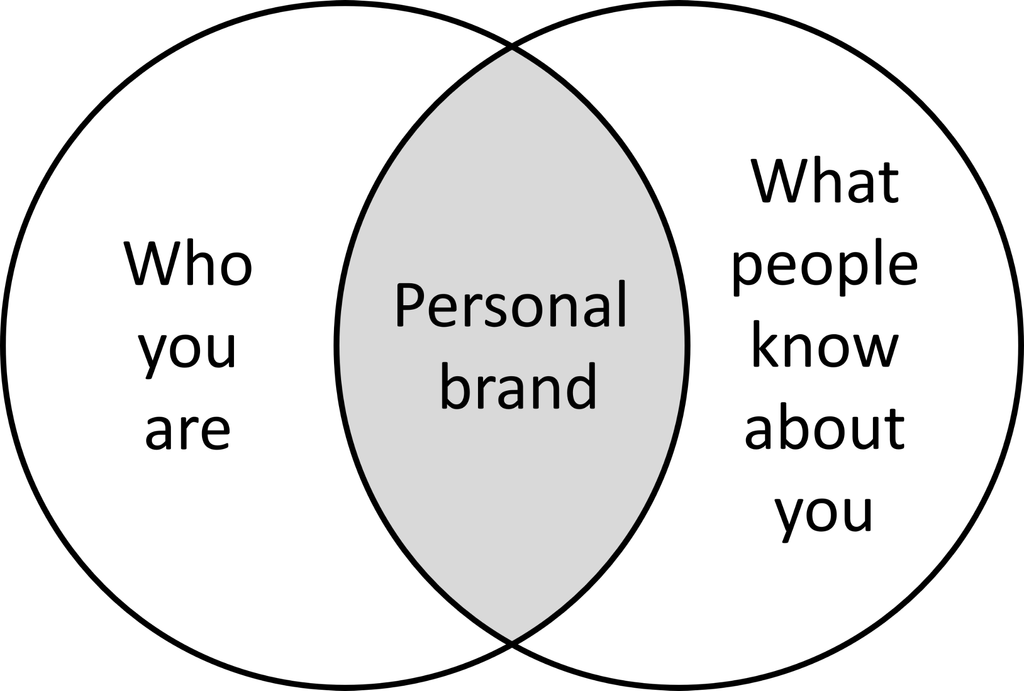
The goal is to increase the intersection between those two things.
If you see yourself as someone moving toward a new type of work, but your LinkedIn profile still overwhelmingly communicates your old career, there’s going to be a gap. Recruiters and hiring managers will continue responding to the version of you that they can see.
That doesn’t mean your past experience is irrelevant. In fact, your past can be extremely valuable when making a transition. But you need to help people understand how that experience connects to where you’re going.
1. Get Clear About Where You’re Going
The first step is career clarity.
Before you can communicate a new professional direction, you need to have some idea of what that direction actually is.
This doesn’t necessarily mean choosing one specific job title or identifying the exact company you want to work for. Career changes rarely work that neatly.
Instead, think about your broader direction. What is your guiding light?
Consider questions like:
- What is most important to you in your career?
- What problems do you want to solve?
- What strengths do you want to use more often?
- What kinds of environments bring out your best work?
- What industries or areas of work interest you?
- What kind of impact do you want to have?
The clearer you become about these things, the easier it becomes to communicate your direction to other people.
If you’re struggling with this, I have a Career Clarity Checklist that can help you work through some of these questions.
2. Change the Signals You’re Giving People
Once you have greater clarity about where you want to go, you need to start changing the signals you’re sending into the market.
Your LinkedIn profile is a major part of this.
Your profile shouldn’t simply function as a historical record of everything you’ve done. It should also help communicate your trajectory.
That might mean updating your headline, rewriting your About section, emphasizing transferable skills, or changing the way you describe your experience. You can talk about the types of problems you want to solve and the value you can bring to those problems.
You can also begin demonstrating your new direction outside of your profile.
For example, you could:
- Create content related to the area you want to move into.
- Connect with people who work in that space.
- Have informational interviews.
- Learn and develop skills that support your desired direction.
- Participate in conversations and communities related to the field.
- Look for opportunities to apply your transferable skills.
Over time, these actions begin creating a different professional story.
You want people to start associating you with the direction you’re heading, rather than only with the work you’ve already done.
3. Give Your Reputation Time to Catch Up
This is probably the hardest part.
If you’re eager to make a career change, you may want everything to happen immediately. You update your profile today and hope the right recruiter contacts you tomorrow.
Unfortunately, professional reputation rarely changes that quickly.
You’ve spent years building your current reputation. Your experience, job titles, skills, relationships, accomplishments, and professional history have all contributed to how people see you.
You won’t completely reinvent that perception in one afternoon.
But you can change it.
I’ve watched people do this again and again. They become clearer about where they want to go, begin communicating that direction consistently, build relationships in the new space, and start demonstrating relevant skills and interests.
Eventually, something shifts.
The opportunities coming toward them start looking different because the information they’ve put into the world has changed.
Your Personal Brand Can Reflect Who You’re Becoming
A career pivot can be difficult because your internal identity often changes before your external reputation does.
You may already know that you want something different. The challenge is helping the people around you, including recruiters and hiring managers, understand that change.
That’s where intentional personal branding can make a difference.
Your personal brand should reflect the person you’re becoming and the value you want to deliver. It should help connect your past experience with your future direction so people can understand why your background makes sense for the opportunities you’re pursuing.
And when that happens consistently over time, you’re more likely to start seeing opportunities that actually align with where you want to go.
If recruiters keep offering you jobs you don’t want, take a look at the signals your professional profile is sending. You may discover that the market isn’t ignoring your career goals. It simply doesn’t know about them yet.
Watch more in the video below: